Back-to-Back Split System Installation Explained
A back-to-back split system installation is one of the most common and straightforward ways to install air conditioning in a home.
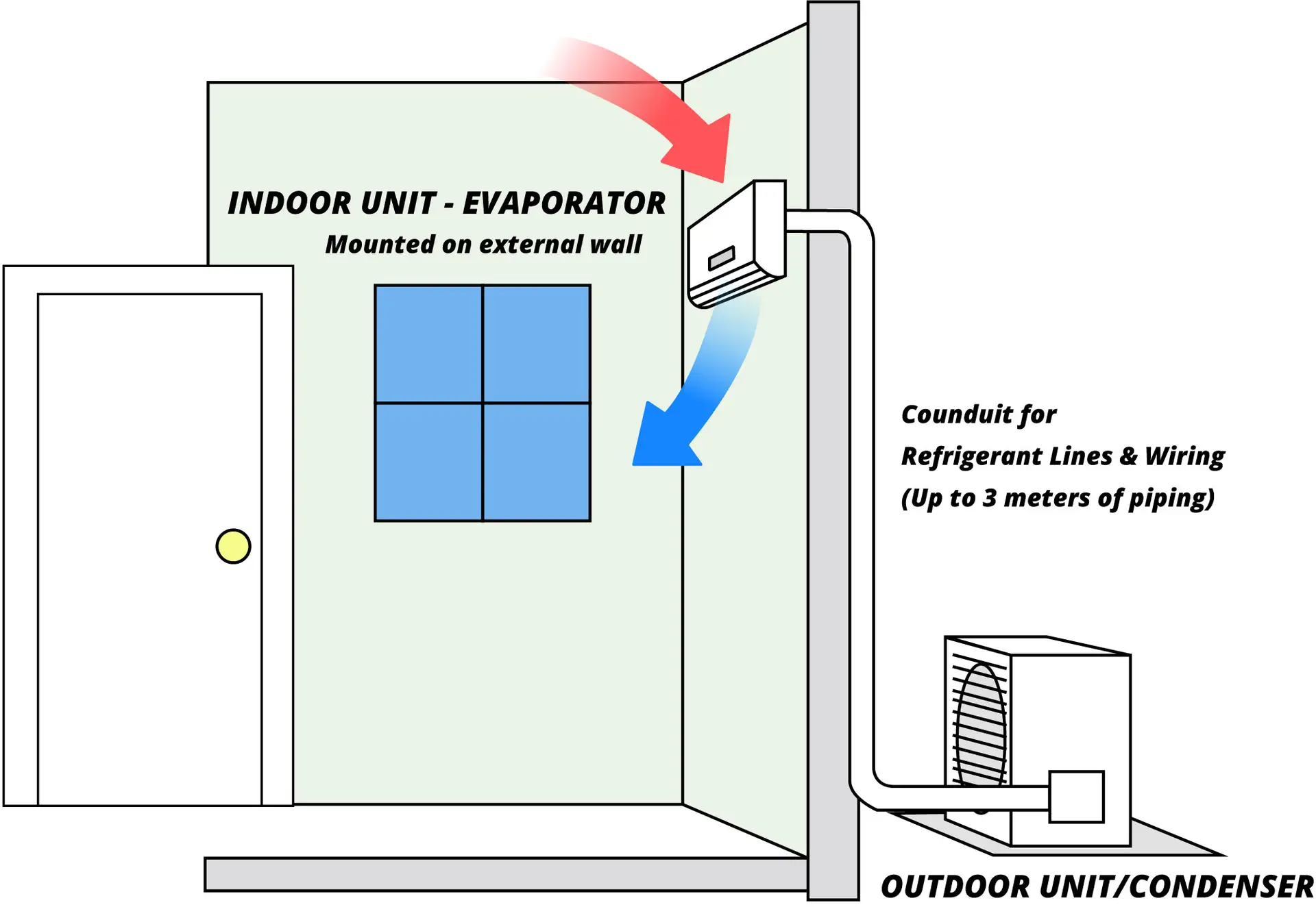
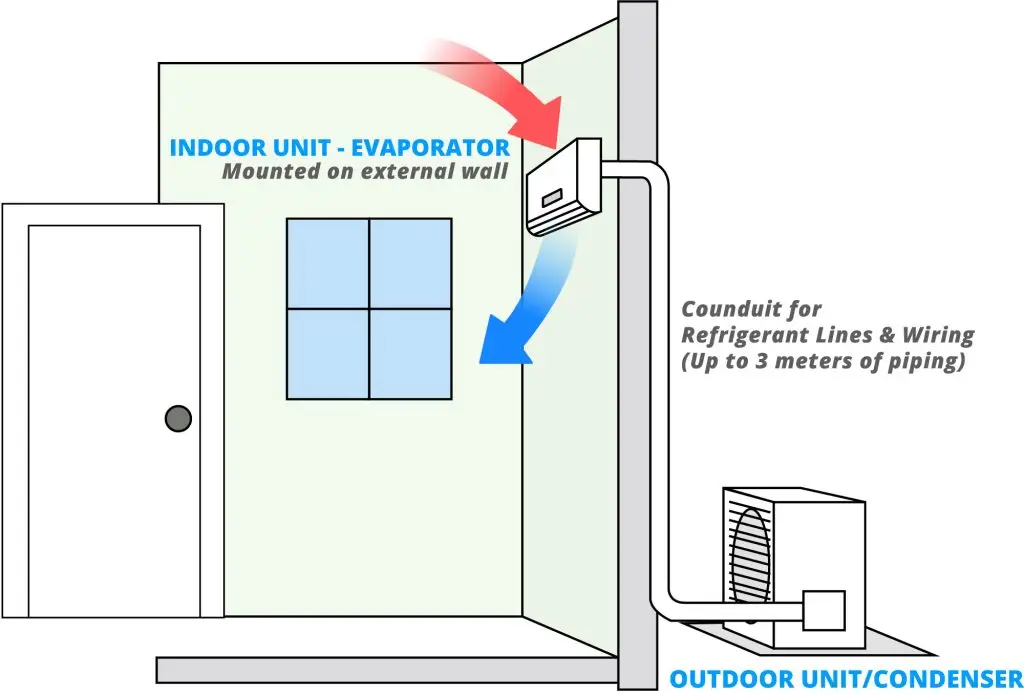
It usually means the indoor air conditioning unit is installed on an internal wall, while the outdoor condenser unit is placed directly on the opposite side of that same wall. This setup keeps the pipework, drainage and electrical connections relatively short, which can make the installation cleaner, faster and more cost-effective.
At Simplex Air Conditioning & Electrical, we help homeowners choose the right air conditioning setup for their space, comfort needs and budget. Whether you are cooling a bedroom, living area, home office or larger open-plan space, understanding the installation process can help you make a more confident decision.
What Is a Split System Air Conditioner?
A split system air conditioner has two main parts:
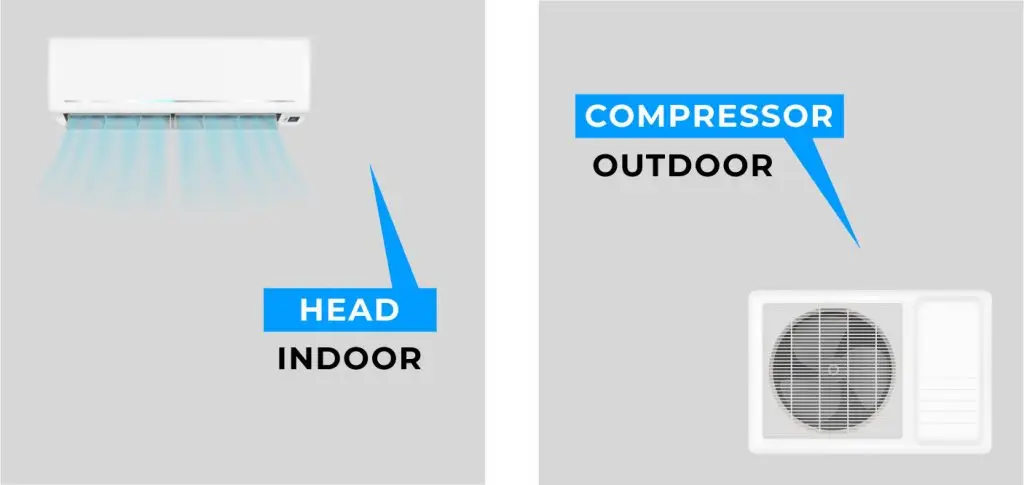
The indoor unit sits inside your home and delivers cool or warm air into the room.
The outdoor unit, also called the condenser, sits outside the home and works with the indoor unit to transfer heat in or out of the space.
Split systems are popular because they are efficient, flexible and suitable for many Queensland homes. They are often used in bedrooms, living rooms, apartments, townhouses, home offices and smaller commercial spaces.
What Does “Back-to-Back” Installation Mean?
A standard back-to-back installation generally means:
The indoor unit is mounted on an internal wall.
The outdoor unit is installed directly outside on the other side of that wall.
The pipework runs through the wall with minimal distance between both units.
The outdoor unit is usually placed on a concrete slab, rubber feet or wall brackets, depending on the site.
This type of installation is ideal when there is clear access to both sides of the wall and the outdoor unit can be positioned safely and practically.
What Is Usually Included in a Standard Installation?
A standard back-to-back split system installation may include:
Installation of the indoor air conditioning unit.
Installation of the outdoor condenser unit.
Refrigeration pipework between both units.
Condensate drain setup.
Electrical connection, where the existing setup is suitable.
Commissioning and testing of the system.
Basic handover so you know how to operate your new air conditioner.
Every property is different, so the final installation requirements depend on the layout of your home, switchboard condition, unit size, access and compliance requirements.
When Is Extra Work Needed?
Not every installation is a simple back-to-back setup. Extra work may be needed when the indoor and outdoor units cannot be placed directly opposite each other, or when your home needs additional electrical upgrades.
Common reasons extra work may be required include:
The outdoor unit needs to be installed further away from the indoor unit.
The indoor unit is on an upper level.
The outdoor unit needs wall brackets or roof brackets.
There is limited access around the installation area.
The switchboard needs upgrading.
A new dedicated electrical circuit is required.
Extra drainage, conduit or pipework is needed.
This is why a proper assessment is important before installation. A good installer will explain what is included, what is not included, and what may affect the final cost.
Single Storey, Two Storey and Upper-Level Installations
Single Storey Homes
Single storey homes are often the easiest for split system installation, especially when the indoor and outdoor units can be installed back-to-back. In many cases, this keeps the job simple and efficient.
Two Storey Homes
Two storey homes may require longer pipe runs, additional access equipment or more planning around where the outdoor unit should be located. The installer may recommend a ground-level condenser position where possible for easier servicing.
Upper-Level Installations
If the indoor unit is installed upstairs, the outdoor condenser may need to be installed on brackets, a balcony, a roof area or at ground level with additional pipework. These installations can still be straightforward, but they need to be assessed carefully for safety, access and long-term maintenance.
Electrical Requirements for Split System Air Conditioning
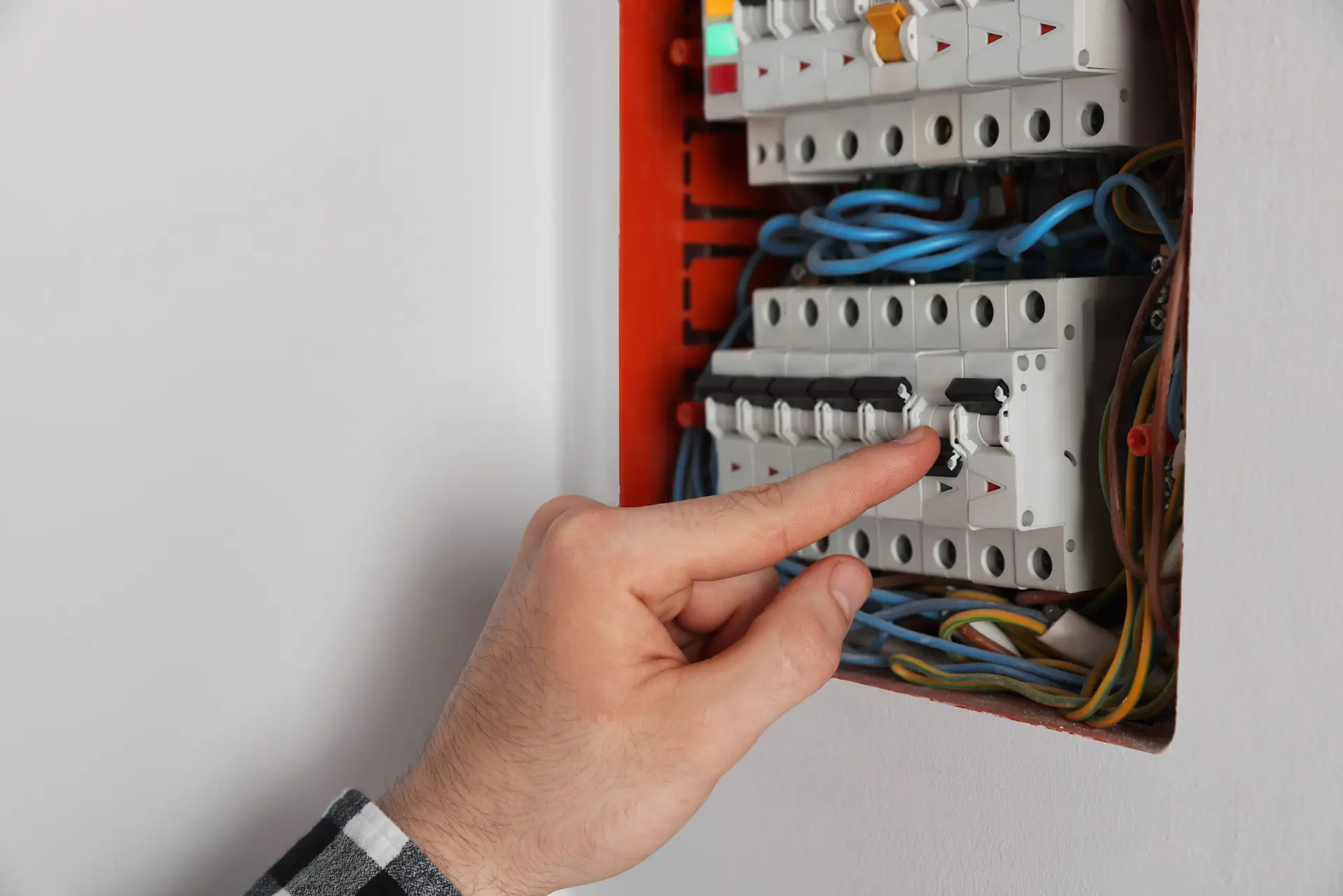
Air conditioners require a safe and compliant electrical setup. Depending on the size of the unit and your home’s existing wiring, your installation may need a dedicated circuit, circuit protection or switchboard upgrades.
For smaller systems, the existing electrical setup may sometimes be suitable. For larger systems, or where the switchboard is older, extra electrical work may be required.
Because Simplex handles both air conditioning and electrical work, we can assess the full installation properly instead of treating the air conditioner and electrical work as separate problems.
Choosing the Right Size Air Conditioner
Choosing the right split system size matters. A unit that is too small may struggle to cool the room properly, especially during Queensland summer. A unit that is too large may cycle on and off too often, which can reduce comfort and efficiency.
The right size depends on:
Room size.
Ceiling height.
Insulation.
Window size and sun exposure.
Room layout.
How many people usually use the space.
Whether the room is open-plan or enclosed.
As a general guide, smaller bedrooms may suit a lower-capacity unit, while larger living areas and open-plan spaces usually need a more powerful system. A professional installer can help confirm the right option before you order.
Why a Split System Can Be a Good Choice
Split systems are popular because they offer a practical balance of comfort, efficiency and affordability.
They are a good option if you want:
Targeted cooling for one room or area.
Lower installation complexity compared with ducted air conditioning.
Reverse cycle heating and cooling.
A cost-effective upgrade for bedrooms, living rooms or home offices.
Easy maintenance and servicing.
Good energy efficiency when sized and installed correctly.
For many homes, a split system is the simplest way to improve comfort without committing to a full ducted system.
Back-to-Back Installation vs More Complex Installations
A back-to-back installation is usually the simplest option, but it is not always possible.
A more complex installation may be needed when the best indoor unit position does not line up with a suitable outdoor unit position. In those cases, extra pipework, conduit, brackets or drainage work may be required.
The goal is not just to install the unit quickly. The goal is to install it in a way that looks clean, works efficiently and remains easy to service in the future.
What to Ask Before Booking Your Installation
Before booking your split system installation, it helps to ask:
What size unit do I need for this room?
Is my home suitable for a back-to-back installation?
Where will the outdoor unit be placed?
Will the installation need extra pipework, brackets or drainage?
Is my switchboard suitable?
Is electrical work included or quoted separately?
Who will install and commission the system?
These questions help avoid surprises and give you a clearer idea of the full cost before work begins.
Why Choose Simplex Air Conditioning & Electrical?
Simplex is a local team providing air conditioning and electrical services across the Gold Coast, Brisbane and surrounding areas.
We are not a large, faceless company. We are a hands-on team that takes pride in clean work, clear communication and practical advice. Whether you need a new split system, an upgrade to an existing unit, or electrical work completed as part of the installation, we can help you choose the right solution for your home.
Our team can assist with:
Split system air conditioning installation.
Air conditioning replacement.
Electrical upgrades.
Switchboard checks.
Residential and commercial air conditioning.
Ongoing service and maintenance.
Frequently Asked Questions
What is a back-to-back split system installation?
A back-to-back installation is when the indoor unit is installed on one side of a wall and the outdoor unit is installed directly outside on the opposite side. It is usually the simplest and most common type of split system installation.
Is back-to-back installation always possible?
No. It depends on your home layout, wall position, outdoor access, drainage and electrical setup. If back-to-back installation is not suitable, your installer can recommend another option.
Do I need an electrician to install a split system?
Yes, air conditioning installations need to be completed safely and compliantly. Electrical work must be carried out by a licensed electrician.
How do I know what size air conditioner I need?
The right size depends on the room size, layout, insulation, windows and how the space is used. A professional assessment is the best way to avoid choosing a unit that is too small or too large.
Can a split system heat as well as cool?
Yes, many modern split systems are reverse cycle units, meaning they can provide both cooling in summer and heating in winter.
Will I need switchboard upgrades?
Not always. Some homes already have a suitable electrical setup, while others may need extra circuit protection or switchboard work. This should be checked before installation.
Ready to Install a New Split System?
A new split system can make a big difference to your comfort, especially during Queensland’s hot and humid months.
If you are looking for a clean, practical and reliable installation, Simplex Air Conditioning & Electrical can help you choose the right unit, confirm the best installation option and complete the job properly from start to finish.
Call Simplex today or send us an enquiry to book your split system air conditioning installation.